A Sense of the Divine
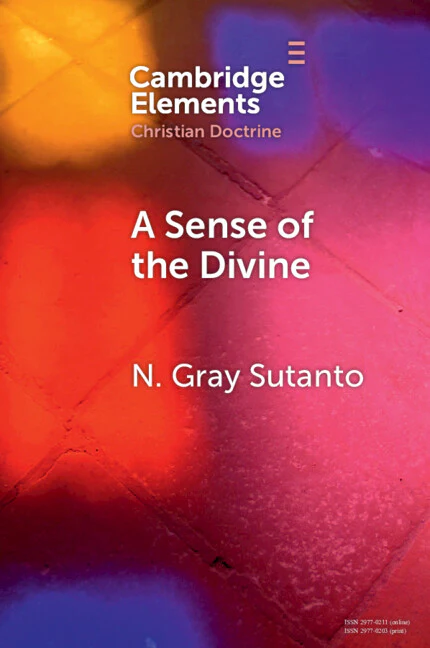
How should one make sense of the Christian confession that God has instilled a 'sense of divinity' in every person? While other approaches have identified the sense with a perceptual or cognitive faculty or with the empirical reports of theistic belief, this Element advances an affective model of general revelation, which draws from the writings of the neo-Calvinist branch of the Reformed tradition. The author argues that the sense of divinity refers to an implanted 'feeling of divinity', a sensus numinis, and that this model makes better sense of the Christian witness, theologically re-orients the empirical findings from the cognitive science of religion, and eludes influential objections against the doctrine of general revelation.
Product Information
Product Information
Shipping & Returns
Shipping & Returns
A Sense of the Divine
A Sense of the Divine
How should one make sense of the Christian confession that God has instilled a 'sense of divinity' in every person? While other approaches have identified the sense with a perceptual or cognitive faculty or with the empirical reports of theistic belief, this Element advances an affective model of general revelation, which draws from the writings of the neo-Calvinist branch of the Reformed tradition. The author argues that the sense of divinity refers to an implanted 'feeling of divinity', a sensus numinis, and that this model makes better sense of the Christian witness, theologically re-orients the empirical findings from the cognitive science of religion, and eludes influential objections against the doctrine of general revelation.
Original: $22.93
-65%$22.93
$8.03Product Information
Product Information
Shipping & Returns
Shipping & Returns
Description
How should one make sense of the Christian confession that God has instilled a 'sense of divinity' in every person? While other approaches have identified the sense with a perceptual or cognitive faculty or with the empirical reports of theistic belief, this Element advances an affective model of general revelation, which draws from the writings of the neo-Calvinist branch of the Reformed tradition. The author argues that the sense of divinity refers to an implanted 'feeling of divinity', a sensus numinis, and that this model makes better sense of the Christian witness, theologically re-orients the empirical findings from the cognitive science of religion, and eludes influential objections against the doctrine of general revelation.