Cities of Strangers
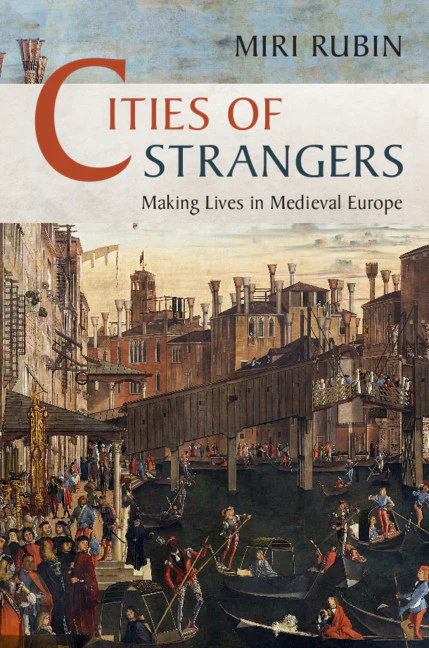
Cities of Strangers illuminates life in European towns and cities as it was for the settled, and for the 'strangers' or newcomers who joined them between 1000 and 1500. Some city-states enjoyed considerable autonomy which allowed them to legislate on how newcomers might settle and become citizens in support of a common good. Such communities invited bankers, merchants, physicians, notaries and judges to settle and help produce good urban living. Dynastic rulers also shaped immigration, often inviting groups from afar to settle and help their cities flourish. All cities accommodated a great deal of difference - of language, religion, occupation - in shared spaces, regulated by law. But when, from around 1350, plague began regularly to occur within European cities, this benign cycle began to break down. High mortality rates led eventually to demographic crises and, as a result, less tolerant and more authoritarian attitudes emerged, resulting in violent expulsions of even long-settled groups. Tracing the development of urban institutions and using a wide range of sources from across Europe, Miri Rubin recreates a complex picture of urban life for settled and migrant communities over the course of five centuries and offers an innovative vantage point on Europe's past with insights for its present.
Product Information
Product Information
Shipping & Returns
Shipping & Returns
Cities of Strangers
Cities of Strangers
Cities of Strangers illuminates life in European towns and cities as it was for the settled, and for the 'strangers' or newcomers who joined them between 1000 and 1500. Some city-states enjoyed considerable autonomy which allowed them to legislate on how newcomers might settle and become citizens in support of a common good. Such communities invited bankers, merchants, physicians, notaries and judges to settle and help produce good urban living. Dynastic rulers also shaped immigration, often inviting groups from afar to settle and help their cities flourish. All cities accommodated a great deal of difference - of language, religion, occupation - in shared spaces, regulated by law. But when, from around 1350, plague began regularly to occur within European cities, this benign cycle began to break down. High mortality rates led eventually to demographic crises and, as a result, less tolerant and more authoritarian attitudes emerged, resulting in violent expulsions of even long-settled groups. Tracing the development of urban institutions and using a wide range of sources from across Europe, Miri Rubin recreates a complex picture of urban life for settled and migrant communities over the course of five centuries and offers an innovative vantage point on Europe's past with insights for its present.
$26.96
Cities of Strangers—
$26.96
Product Information
Product Information
Shipping & Returns
Shipping & Returns
Description
Cities of Strangers illuminates life in European towns and cities as it was for the settled, and for the 'strangers' or newcomers who joined them between 1000 and 1500. Some city-states enjoyed considerable autonomy which allowed them to legislate on how newcomers might settle and become citizens in support of a common good. Such communities invited bankers, merchants, physicians, notaries and judges to settle and help produce good urban living. Dynastic rulers also shaped immigration, often inviting groups from afar to settle and help their cities flourish. All cities accommodated a great deal of difference - of language, religion, occupation - in shared spaces, regulated by law. But when, from around 1350, plague began regularly to occur within European cities, this benign cycle began to break down. High mortality rates led eventually to demographic crises and, as a result, less tolerant and more authoritarian attitudes emerged, resulting in violent expulsions of even long-settled groups. Tracing the development of urban institutions and using a wide range of sources from across Europe, Miri Rubin recreates a complex picture of urban life for settled and migrant communities over the course of five centuries and offers an innovative vantage point on Europe's past with insights for its present.