Cooperating Factions
Popular accounts of presidential nomination politics in the United States focus on factions, lanes, or even a civil war within the party. This Element uses data on party leader endorsements in nominations to identify a network of party actors and the apparent long-standing divisions within each party. The authors find that there are divisions, but they do not generally map to the competing camps described by most observers. Instead, they find parties that, while regularly divided, generally tend to have a dominant establishment group, which combines the interests of many factions, even as some factions sometimes challenge that establishment. This pattern fits a conception of factions as focused on reshaping the party, but not necessarily on undermining it.
Product Information
Product Information
Shipping & Returns
Shipping & Returns
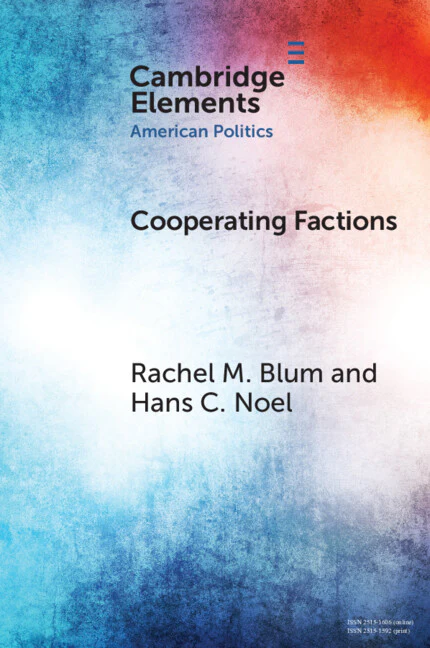
Cooperating Factions
Cooperating Factions
Popular accounts of presidential nomination politics in the United States focus on factions, lanes, or even a civil war within the party. This Element uses data on party leader endorsements in nominations to identify a network of party actors and the apparent long-standing divisions within each party. The authors find that there are divisions, but they do not generally map to the competing camps described by most observers. Instead, they find parties that, while regularly divided, generally tend to have a dominant establishment group, which combines the interests of many factions, even as some factions sometimes challenge that establishment. This pattern fits a conception of factions as focused on reshaping the party, but not necessarily on undermining it.
Original: $24.28
-65%$24.28
$8.50Product Information
Product Information
Shipping & Returns
Shipping & Returns
Description
Popular accounts of presidential nomination politics in the United States focus on factions, lanes, or even a civil war within the party. This Element uses data on party leader endorsements in nominations to identify a network of party actors and the apparent long-standing divisions within each party. The authors find that there are divisions, but they do not generally map to the competing camps described by most observers. Instead, they find parties that, while regularly divided, generally tend to have a dominant establishment group, which combines the interests of many factions, even as some factions sometimes challenge that establishment. This pattern fits a conception of factions as focused on reshaping the party, but not necessarily on undermining it.