Defection Denied
How can researchers obtain reliable responses on sensitive issues in dangerous settings? This Element elucidates ways for researchers to use unobtrusive experimental methods to elicit answers to risky, taboo, and threatening questions in dangerous social environments. The methods discussed in this Element help social scientists to encourage respondents to express their true preferences and to reduce bias, while protecting them, local survey organizations, and researchers. The Element is grounded in an original study of civilian support for the jihadi insurgency in the Russian North Caucasus in Dagestan that assesses theories about wartime attitudes toward militant groups. We argue that sticky identities, security threats, and economic dependence curb the ability of civilians to switch loyalties.
Product Information
Product Information
Shipping & Returns
Shipping & Returns
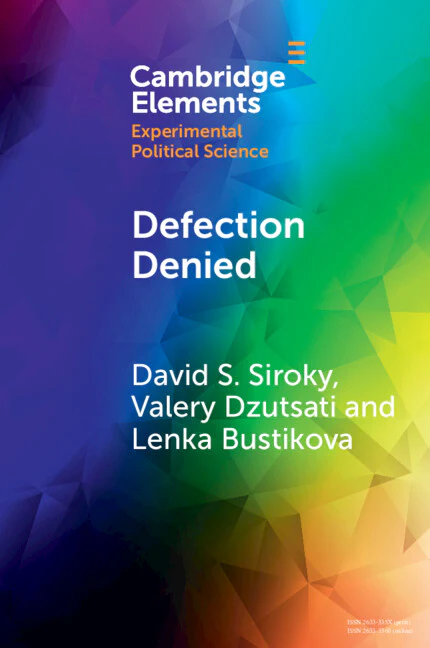
Defection Denied
Defection Denied
How can researchers obtain reliable responses on sensitive issues in dangerous settings? This Element elucidates ways for researchers to use unobtrusive experimental methods to elicit answers to risky, taboo, and threatening questions in dangerous social environments. The methods discussed in this Element help social scientists to encourage respondents to express their true preferences and to reduce bias, while protecting them, local survey organizations, and researchers. The Element is grounded in an original study of civilian support for the jihadi insurgency in the Russian North Caucasus in Dagestan that assesses theories about wartime attitudes toward militant groups. We argue that sticky identities, security threats, and economic dependence curb the ability of civilians to switch loyalties.
Original: $24.28
-65%$24.28
$8.50Product Information
Product Information
Shipping & Returns
Shipping & Returns
Description
How can researchers obtain reliable responses on sensitive issues in dangerous settings? This Element elucidates ways for researchers to use unobtrusive experimental methods to elicit answers to risky, taboo, and threatening questions in dangerous social environments. The methods discussed in this Element help social scientists to encourage respondents to express their true preferences and to reduce bias, while protecting them, local survey organizations, and researchers. The Element is grounded in an original study of civilian support for the jihadi insurgency in the Russian North Caucasus in Dagestan that assesses theories about wartime attitudes toward militant groups. We argue that sticky identities, security threats, and economic dependence curb the ability of civilians to switch loyalties.