Knowledge and God
This Element examines a main theme in religious epistemology, namely, the possibility of knowledge of God. Most often philosophers consider the rationality or justification of propositional belief about God, particularly beliefs about the existence and nature of God; and they will assess the conditions under which, if there is a God, such propositional beliefs would be knowledge, particularly in light of counter-evidence or the availability of religious disagreement. This Element surveys such familiar areas, then turns toward newer and less-developed terrain: interpersonal epistemology, namely what it is to know another person. It then explores the prospects for understanding what it might take to know God relationally, the contours of which are significant for many theistic traditions.
Product Information
Product Information
Shipping & Returns
Shipping & Returns
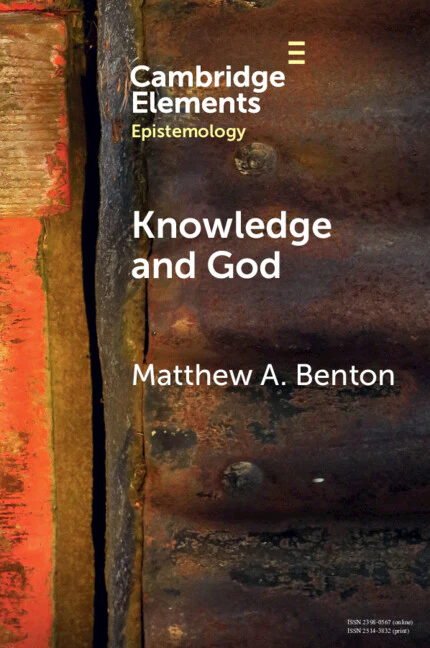
Knowledge and God
Knowledge and God
This Element examines a main theme in religious epistemology, namely, the possibility of knowledge of God. Most often philosophers consider the rationality or justification of propositional belief about God, particularly beliefs about the existence and nature of God; and they will assess the conditions under which, if there is a God, such propositional beliefs would be knowledge, particularly in light of counter-evidence or the availability of religious disagreement. This Element surveys such familiar areas, then turns toward newer and less-developed terrain: interpersonal epistemology, namely what it is to know another person. It then explores the prospects for understanding what it might take to know God relationally, the contours of which are significant for many theistic traditions.
Original: $24.28
-65%$24.28
$8.50Product Information
Product Information
Shipping & Returns
Shipping & Returns
Description
This Element examines a main theme in religious epistemology, namely, the possibility of knowledge of God. Most often philosophers consider the rationality or justification of propositional belief about God, particularly beliefs about the existence and nature of God; and they will assess the conditions under which, if there is a God, such propositional beliefs would be knowledge, particularly in light of counter-evidence or the availability of religious disagreement. This Element surveys such familiar areas, then turns toward newer and less-developed terrain: interpersonal epistemology, namely what it is to know another person. It then explores the prospects for understanding what it might take to know God relationally, the contours of which are significant for many theistic traditions.