The Neoliberalisation of Heritage in Africa
The landscape of heritage on the African continent is the product of neoliberal economic and social interventions from the 1980s–2000s: the prevalence and influence of heritage NGOs; aid for cultural programmes contingent on government reforms; the use of national heritage policies and projects to signal ready capital; experiments in custodianship and private enterprise that balance conservation with consumerism; and so on. This Element synthesises literature from anthropology, archaeology, history, and geography to describe a significant period of heritage policy and discourse on the African continent – its historical situation, on-the-ground realities, and continuing legacies in the era of sustainable development and climate crises.
Product Information
Product Information
Shipping & Returns
Shipping & Returns
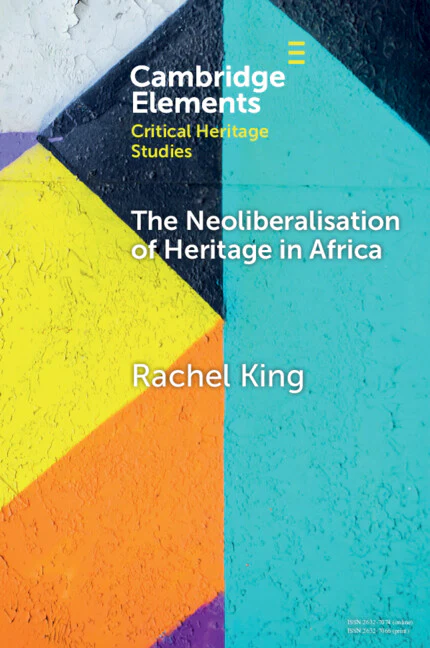
The Neoliberalisation of Heritage in Africa
The Neoliberalisation of Heritage in Africa
The landscape of heritage on the African continent is the product of neoliberal economic and social interventions from the 1980s–2000s: the prevalence and influence of heritage NGOs; aid for cultural programmes contingent on government reforms; the use of national heritage policies and projects to signal ready capital; experiments in custodianship and private enterprise that balance conservation with consumerism; and so on. This Element synthesises literature from anthropology, archaeology, history, and geography to describe a significant period of heritage policy and discourse on the African continent – its historical situation, on-the-ground realities, and continuing legacies in the era of sustainable development and climate crises.
Original: $24.28
-65%$24.28
$8.50Product Information
Product Information
Shipping & Returns
Shipping & Returns
Description
The landscape of heritage on the African continent is the product of neoliberal economic and social interventions from the 1980s–2000s: the prevalence and influence of heritage NGOs; aid for cultural programmes contingent on government reforms; the use of national heritage policies and projects to signal ready capital; experiments in custodianship and private enterprise that balance conservation with consumerism; and so on. This Element synthesises literature from anthropology, archaeology, history, and geography to describe a significant period of heritage policy and discourse on the African continent – its historical situation, on-the-ground realities, and continuing legacies in the era of sustainable development and climate crises.